
 Arturo Alvarez Demalde
When it’s time to remove an old building, clear a site, or prepare for a new construction project, hiring the right demolition expert can make all the difference. A qualified demolition contractor dubbo, or a similar professional ensures the job is carried out safely, efficiently, and in compliance with all legal requirements. From managing hazardous materials to handling waste disposal and permits, a skilled contractor provides peace of mind and a smooth start to your next project.
This guide explains what demolition contractors do, what licenses and safety measures are required, how pricing typically works, and how to choose the right team to complete your project responsibly and on schedule.
What a Demolition Contractor Does
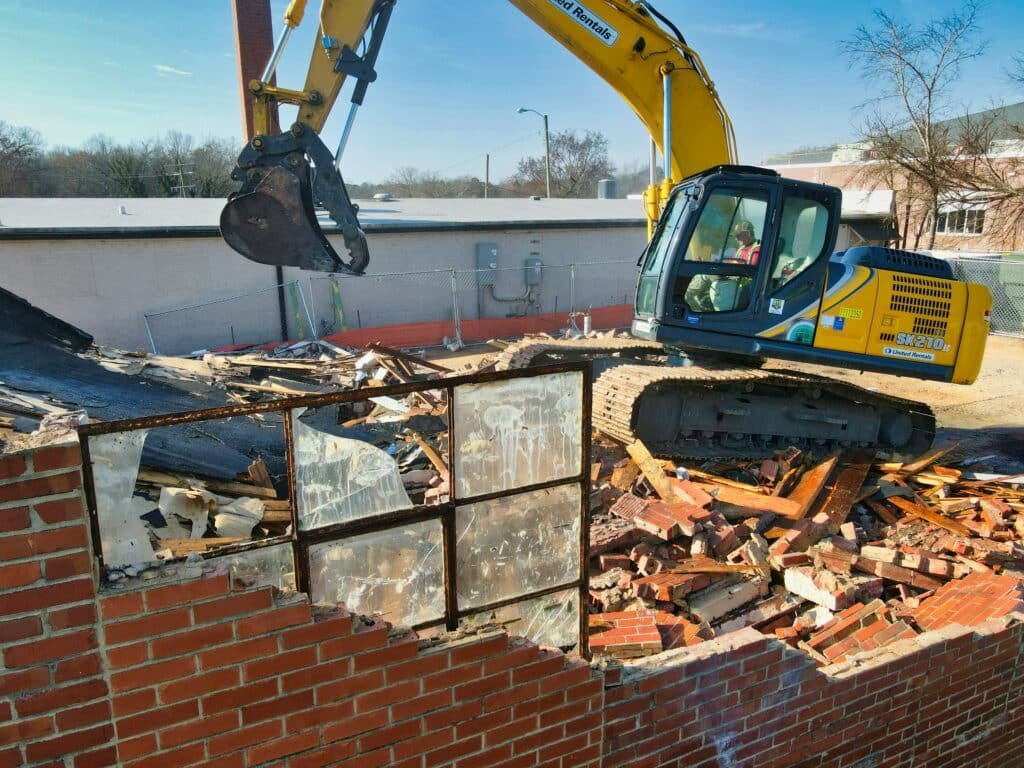
A demolition contractor is responsible for dismantling, clearing, and preparing structures or sites for redevelopment. Their work can range from small-scale projects, such as removing sheds and garages, to large-scale industrial demolitions involving heavy machinery and complex logistics.
Typical tasks include:
- Conducting site inspections and risk assessments
- Disconnecting utilities such as gas, water, and electricity
- Removing asbestos and other hazardous materials
- Dismantling and demolishing structures safely
- Sorting and recycling salvageable materials
- Clearing debris and leveling the site for future construction
Professional contractors also handle the required paperwork, including permits, environmental documentation, and safety notifications, so that the project complies with all relevant regulations.
Types of Demolition Projects
Not all demolition projects are the same, and understanding the differences helps determine what type of contractor you’ll need.
1. Residential Demolition
This includes removing old houses, sheds, garages, and smaller structures. It often involves managing asbestos, ensuring safe waste removal, and preparing the site for rebuilding.
2. Commercial and Industrial Demolition
Larger demolitions—like warehouses, office buildings, and factories—require more advanced equipment and coordination. Contractors must follow strict safety protocols and sometimes work alongside engineers and environmental consultants.
3. Selective Demolition
Also known as “soft demolition,” this approach removes specific areas of a building while preserving the rest of the structure. It’s common in renovations or remodels where particular walls, floors, or fixtures need to be retained.
4. Total Demolition
A complete teardown of the entire structure, including foundations and slabs. This method is used when redeveloping land or preparing for new construction from scratch.
Safety and Compliance
Safety is the foundation of every professional demolition project. A qualified contractor will begin by completing a thorough site inspection to identify risks, such as unstable structures, underground utilities, or hazardous materials.
Key safety steps include:
- Disconnecting all utilities before demolition begins
- Using protective barriers and exclusion zones around the worksite
- Monitoring dust, noise, and vibration levels to minimize disruption
- Ensuring all workers are licensed and equipped with personal protective gear
If asbestos or other hazardous substances are discovered, licensed specialists must handle the removal in accordance with strict safety guidelines. Once cleared, an independent inspection confirms the site is safe before demolition proceeds.
Licensing and Permits
Before hiring a demolition contractor, ensure they hold the appropriate licenses and insurance. In most regions, demolition professionals must have:
- A valid demolition license for structural work
- Asbestos removal certification (for relevant projects)
- Public liability and workers’ compensation insurance
- Documentation of compliance with local safety regulations
A reputable contractor will also manage the permit application process, notifying regulatory bodies of the project and ensuring all work is authorized before beginning.
Cost and Timeline Expectations
The cost of demolition varies based on factors such as building size, materials, accessibility, and the presence of hazardous materials. Key cost influencers include:
- Structure Size and Type: Multi-story or reinforced concrete buildings require more time and heavy machinery.
- Site Access: Narrow spaces or limited entry points can slow progress and increase labor costs.
- Waste Management: Sorting, recycling, and disposing of debris add to overall costs.
- Hazardous Materials: Asbestos or contaminated soil removal must be handled separately and safely.
Residential demolitions can range widely in cost depending on complexity. For accurate pricing, request an itemized quote covering permits, equipment, waste disposal, and site preparation.
Timelines also vary. A simple residential demolition may take a few weeks from planning to completion, while large commercial projects can take several months. Clear communication with your contractor ensures realistic scheduling and minimizes delays.
Recycling and Environmental Responsibility
Modern demolition isn’t just about tearing down—it’s about doing it sustainably. Many experienced contractors recycle materials like concrete, steel, and timber, reducing landfill waste and environmental impact. Recycled concrete can be repurposed into road base, while metals and wood can be salvaged for future use.
Choosing a contractor that emphasizes sustainable practices supports environmental conservation and can even reduce disposal costs.
Choosing the Right Demolition Contractor
Selecting a qualified demolition contractor dubbo professional, or equivalent means finding a team that prioritizes safety, transparency, and environmental care. When evaluating potential contractors, consider the following:
- Proven experience and licensing credentials
- Clear communication and detailed, written quotes
- Comprehensive safety plans and insurance coverage
- References from past clients
- Commitment to recycling and responsible waste management
The best contractors provide regular updates, handle permits on your behalf, and maintain a clean, well-managed worksite from start to finish.
Final Thoughts
A successful demolition project is about more than bringing a structure down—it’s about doing it safely, efficiently, and responsibly. Hiring the right contractor ensures that every stage, from planning and permitting to waste disposal and site preparation, is managed with precision.
With careful planning, professional oversight, and strict adherence to safety and environmental standards, your demolition project can be completed smoothly—leaving you with a clear, ready-to-build site and total confidence in the process.

